


SAS: Zombie Assault 4
4.433.02K Reviews
App Specs
- Version
- 2.2.2
- Updated On
- License
- Free
- Downloads
- 10,000,000+
- Developer
- ninja kiwi
- Categories
- Action
- Platform
- Android, iOS
Screenshots
 Analysis by AppCompare
I’d treat a shared phone or tablet as a place for short, planned sessions of SAS: Zombie Assault 4, rather than a game to leave open for whoever picks up the device. Its top-down zombie firefights are easy to understand at a glance, but character progress and choices about gear make it feel more personal than a quick arcade diversion. That distinction matters in a household: a younger player can enjoy the action, while a returning player may care more about keeping a particular hero and loadout intact.
For a practical shared-device routine, I’d agree on whose turn it is and avoid changing another person’s character or equipment without asking. That is not a game feature; it is simply a useful boundary when a game rewards ongoing investment. If several people want to play, separate sessions work better than passing the device in the middle of a mission, where a handoff can interrupt someone’s focus or leave teammates waiting.
Keeping sessions and progress personal
The most useful first question is whether each person wants to build a different style of fighter. The class choice gives players a reason to make distinct decisions, and weapons and upgrades add another layer of ownership. A household that shares one device should therefore decide how it will handle saved progress before several people start making choices on the same play profile. I would not assume that separate household members automatically get separate characters or independent saves; check what the game presents on the device and keep expectations clear.
For a quick evening session, I’d choose a character and equipment before inviting anyone else to take a turn. That reduces the chance of a younger player spending time rearranging a setup another person has tuned, and it avoids turning a casual game into a disagreement about who changed what. If everyone is happy to share one build, that can be part of the fun; if not, a single shared profile may be a poor fit for a household with competing preferences.
Playing together takes more than joining a match
Co-op is most satisfying when players agree on how they want to contribute. The different classes encourage complementary roles, so I’d have friends or family members decide who wants to focus on support and who prefers a more direct combat style before heading into a mission. That small conversation can make a chaotic fight feel more deliberate, especially when teammates are still learning what their characters can do.
Playing with random people is convenient when nobody else is available, but it asks you to adapt to strangers’ pacing and choices. With people you know, you can take a moment to coordinate and make a plan; with a public team, it is safer to stay aware of the group and avoid assuming everyone will follow the same approach. If a player wants a quiet, fully solo experience, the multiplayer emphasis may be less appealing than a shooter built around self-contained campaigns.
Age context and household expectations
This is an action game built around repeated gunfire and visibly gruesome zombies, so the Teen age rating is worth taking seriously when deciding who can play. I would preview the tone and violence with a younger household member rather than relying on the simple controls to mean the content will suit every child. The game’s quick accessibility makes it easy to pick up, but that does not make its subject matter child-oriented.
Worth Reading Before You Choose

EA SPORTS FC Mobile 26 Is a Bigger Football Game, but It Takes Time

Flipboard Shows What News Apps Must Do Beyond the Feed

Switching to Android Auto Means Rethinking Your Driving Routine

Google Calendar Makes a Crowded Week Easier to Manage

Ludo King Makes the Most of the Minutes Between Plans

Baby Panda World Brings Quick Play to Modern Phones, but Its Game Library Feels Busy
It is also sensible to talk about optional spending before a child plays. The game is free to start, while in-app purchases range from $0.99 to $49.99 per item. I found the basic progression enjoyable without feeling pushed to buy, but a household should still set its own purchasing expectations and use the device’s usual purchase safeguards. Those are practical boundaries, not a reason to assume the game contains a particular family-control feature.
Getting Started with SAS: Zombie Assault 4
First things first, downloading SAS: Zombie Assault 4 is a breeze. Whether you’re on Android or iOS, you’ll find it easily in your app store. Once installed, the game kicks off with a brief tutorial that gets you acquainted with the controls and basic mechanics. I found this super helpful, especially if you’re new to the franchise or the genre.
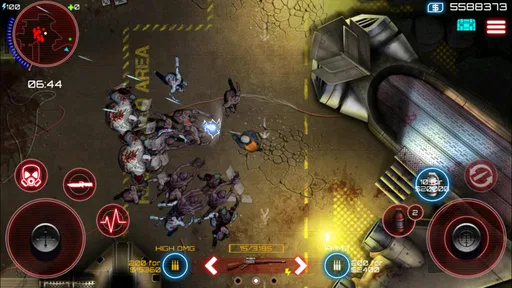
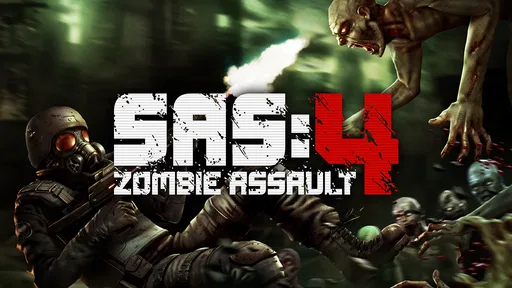
The game throws you right into the action, and let me tell you, it’s intense! You start off as a member of the SAS, tasked with tackling waves of zombies in a variety of settings. The graphics are pretty impressive for a mobile game, capturing the eerie atmosphere of a zombie-infested world perfectly.
Gameplay and Features
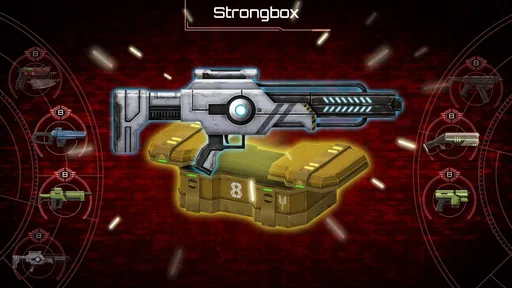
One of the things I love about this game is its depth. It’s not just about shooting zombies—although, let’s be honest, that’s a huge part of the fun. You have access to a wide array of weapons, each with its own upgrades and perks. There’s something satisfying about mowing down a horde of zombies with a fully upgraded assault rifle.
Another feature that stands out is the character classes. You can choose from Medic, Assault, or Heavy. Each class has its unique abilities and skills, so you can tailor your gameplay style. Personally, I went with the Medic because I like the idea of healing my teammates while blasting zombies. Team play is crucial, and this adds an extra layer of strategy.
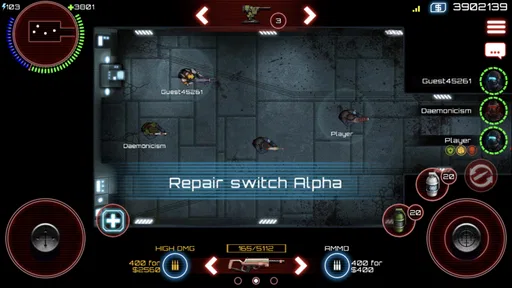
The game also offers a co-op multiplayer mode, which is a blast if you want to team up with friends or random players online. Tackling missions together adds a whole new dimension to the game, and coordinating with your team can make all the difference in surviving those intense waves.
Challenges and Progression
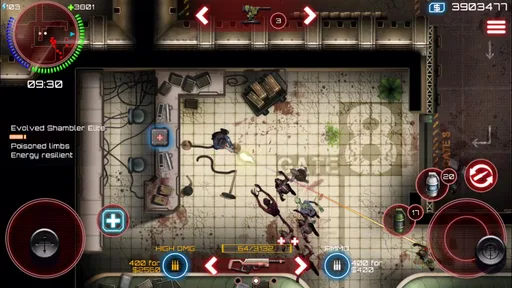
As you progress through the game, the levels get increasingly challenging, which keeps things interesting. You’ll encounter different types of zombies, each with unique abilities. This means you’ll need to adapt your strategy constantly. It’s not just about firing blindly; you have to think on your feet.
Leveling up your character is rewarding, and you gain access to better gear and skills. The in-game currency system is fair, and while there are in-app purchases, I didn’t feel pressured to spend real money to progress—always a plus in my book.
Visuals and Sound
The aesthetics of the game are top-notch for a mobile release. The environments are detailed, and the zombie designs are suitably gruesome, adding to the overall thrill. The sound effects and background music also contribute to the immersive experience. Trust me, playing with headphones on cranks up the tension significantly.
Choosing it over other zombie shooters
What makes this a distinct pick among mobile action games is the combination of angled, wave-focused shooting and a character-building loop. Compared with a simple lane shooter, where the main decision is often when to fire or dodge, this asks me to think about class, weapon upgrades and how I move through a crowded fight. Compared with a slower survival game, it puts more emphasis on direct combat than on crafting, shelter management or long stretches of resource gathering.
That makes it a good fit when I want a compact burst of action with enough progression to give the next run a purpose. It is less suitable if I want a narrative-heavy campaign, a relaxed game to play while barely paying attention, or a purely offline experience. The zombie pressure is the point, so a player who dislikes sudden crowds and constant movement may find the same intensity tiring rather than exciting.
Small decisions that improve a run
I get more from the class system when I choose a role to suit the group instead of picking only by the biggest weapon. A Medic can help a team recover, while a player who prefers straightforward damage may feel more at home with another class. The practical trade-off is that a support-minded choice can feel less immediately flashy when playing alone, while a damage-focused approach may leave a team without the help it needs. I’d experiment with roles in low-pressure sessions before settling on one for tougher co-op play.
Weapon upgrades are also easier to judge when I change one part of a setup at a time. If I swap several things at once, it becomes hard to tell which choice made a mission feel easier or more awkward. I’d note whether I’m struggling to handle groups, keep teammates safe, or stay comfortable at a distance, then make the next gear choice to address that specific problem. This is more useful than chasing upgrades simply because they are available.
During a busy wave, movement and awareness matter as much as firing. I try not to fix my attention on one target if the rest of the crowd is closing in, and in co-op I keep track of where teammates are rather than scattering in different directions. That habit makes the teamwork feel purposeful and can prevent a match from becoming four players independently chasing enemies. It also gives newcomers a clear goal beyond pressing the attack button: stay mobile, read the fight, and notice what the group needs.
What to expect from time, cost and compatibility
Because missions center on fighting through waves, I find the game easier to enjoy when I start a session with enough time to concentrate rather than opening it in the middle of another task. The tutorial helps newcomers get oriented, but the pressure rises as play advances, so a first session is best treated as learning rather than proof that every later run will feel effortless. If I have only a moment, I would avoid starting a demanding co-op session that leaves other players depending on me.
The game is free to download, and its optional purchases are priced from $0.99 to $49.99 per item. I’d regard spending as a personal choice, not a requirement for deciding whether the combat suits me. Its average rating is 4.4 from around 410,000 ratings, and it has over 10 million installs; those figures suggest a substantial audience, but they do not tell me whether its pace or violence will suit a particular player. The developer is ninja kiwi, and the current version is 2.2.2. On Android, it requires version 5.0 or later.
One practical compatibility question is whether it will run on a particular device: Android users can compare their system version with the minimum, while iOS players should check the game’s current store page for their device. I’d also make sure there is enough time and battery for a session, especially if I plan to play with others. Those are ordinary mobile-game considerations, but they matter more when a match is shared with teammates rather than played as a disposable solo round.
Who I’d recommend it to
I’d recommend it to someone who enjoys twin-stick-style action, escalating enemy pressure and the satisfaction of gradually shaping a fighter through weapons and skills. It is especially appealing to friends who like having different roles in co-op, or to a solo player who enjoys testing how a changed loadout handles a familiar kind of threat. Its blend of immediate shooting and longer-term character choices gives both types of player something to focus on.
I’d skip it if graphic zombie violence is unwelcome, if I need a game with no optional spending at all, or if I want a calm, story-first experience. I would also hesitate to make it the default shared-device game for a household where players expect completely separate progress but have not checked how the game handles their play. The action is accessible, but the content, online coordination and shared-profile questions deserve a little thought before everyone jumps in.
Visuals and Sound
The aesthetics of the game are top-notch for a mobile release. The environments are detailed, and the zombie designs are suitably gruesome, adding to the overall thrill. The sound effects and background music also contribute to the immersive experience. Trust me, playing with headphones on cranks up the tension significantly.
Final Thoughts
At the end of the day, SAS: Zombie Assault 4 is a fantastic option for anyone who enjoys action-packed zombie shooters. It combines elements of strategy, teamwork, and relentless action, ensuring you’re always on your toes. Whether you’re a veteran of the series or a newcomer, there’s plenty to sink your teeth into.
If you’re ready to take on the undead and have a blast doing it, this game is definitely worth checking out. Grab your gear, rally your friends, and dive into the chaos. Happy zombie hunting!
My household verdict
For a household with one device, I’d call it a good shared game only when the players are comfortable taking turns and have agreed how to handle a common character setup. It is strongest when people can coordinate roles and enjoy the same fast, gory action; it is weaker as a casual pass-around game for people who want separate progress without discussing boundaries. I’d introduce it to a Teen-rated audience with a quick conversation about the violence and purchases, then let each player decide whether the intensity is fun for them.
Overall, I’d keep it on the shortlist for friends or family members who want co-op zombie action and don’t mind building a character over time. If your household wants quiet solo play, child-oriented content, or clearly independent profiles, a different kind of mobile game will be the better choice. For the right group, though, the mix of classes, gear decisions and frantic teamwork gives a shared session a reason to come back for another round.
Pros
- Intense multiplayer co-op mode.
- Variety of weapons and upgrades.
- Challenging boss battles.
- Smooth and intuitive controls.
- Regular updates with new content.
Cons
- In-app purchases can be pricey.
- Requires constant internet connection.
- Graphics can be demanding on older devices.
- Repetitive gameplay in later stages.
- Occasional connectivity issues.
FAQs for SAS: Zombie Assault 4
What is the main objective of SAS: Zombie Assault 4?
In SAS: Zombie Assault 4, the primary goal is to survive waves of zombies while completing various missions. Players can choose from different classes, each with unique abilities, to fight against the undead. The game involves strategic planning, upgrading weapons, and teamwork in multiplayer modes to tackle increasingly challenging levels.
Is SAS: Zombie Assault 4 free to play?
Yes, SAS: Zombie Assault 4 is free to download and play. However, it offers in-app purchases that can enhance gameplay by providing players with better weapons, armor, and other resources. These purchases are optional, and players can still enjoy the game without spending money, although progress might be slower.
What are the system requirements for SAS: Zombie Assault 4?
For Android users, SAS: Zombie Assault 4 requires Android version 4.0 and up, while iOS users need iOS 8.0 or later. The game demands a moderate amount of device storage and performs best on newer devices with more RAM and processing power to handle its graphics-intensive gameplay smoothly.
Can SAS: Zombie Assault 4 be played offline?
SAS: Zombie Assault 4 primarily offers online gameplay, especially for its multiplayer modes. While some features might be accessible offline, such as single-player missions, the full experience, including cooperative gameplay and leaderboards, requires an internet connection. Players should ensure connectivity to fully enjoy all features.
How does the multiplayer mode work in SAS: Zombie Assault 4?
In the multiplayer mode of SAS: Zombie Assault 4, players can team up with others around the world to tackle missions together. The game supports cooperative play, where teamwork is essential to survive intense zombie waves. Players can communicate, strategize, and share resources to achieve common objectives and rank higher on leaderboards.


